194
A silent animated film about inherited exile

A young man escapes from a collapsing box labeled “194” carrying the scattered remains of exile as a dream of return guides him through memory, loss, and generations of displacement.
“194” is a 2D animated short film, about inherited exile and the enduring dream of return.
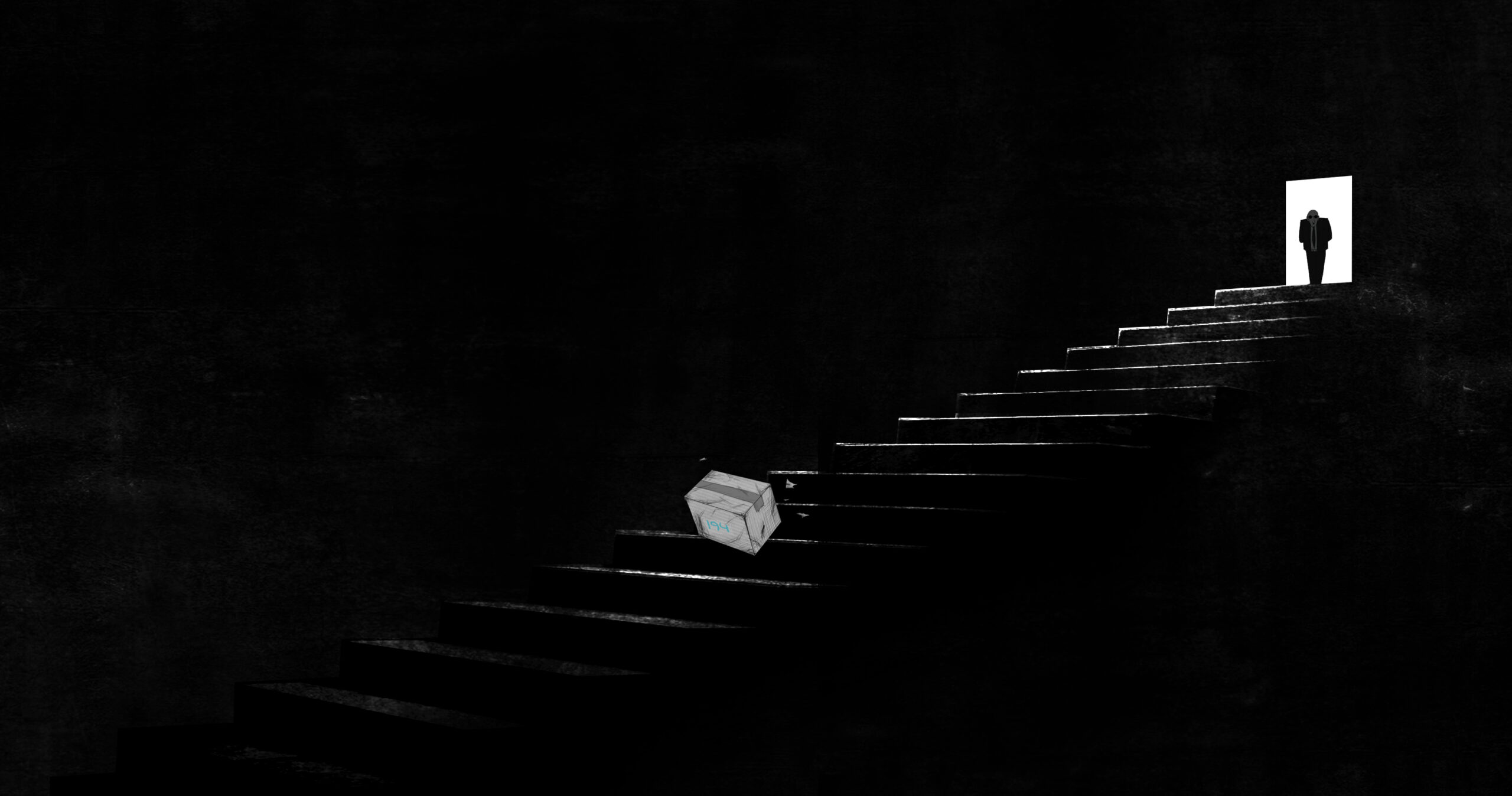
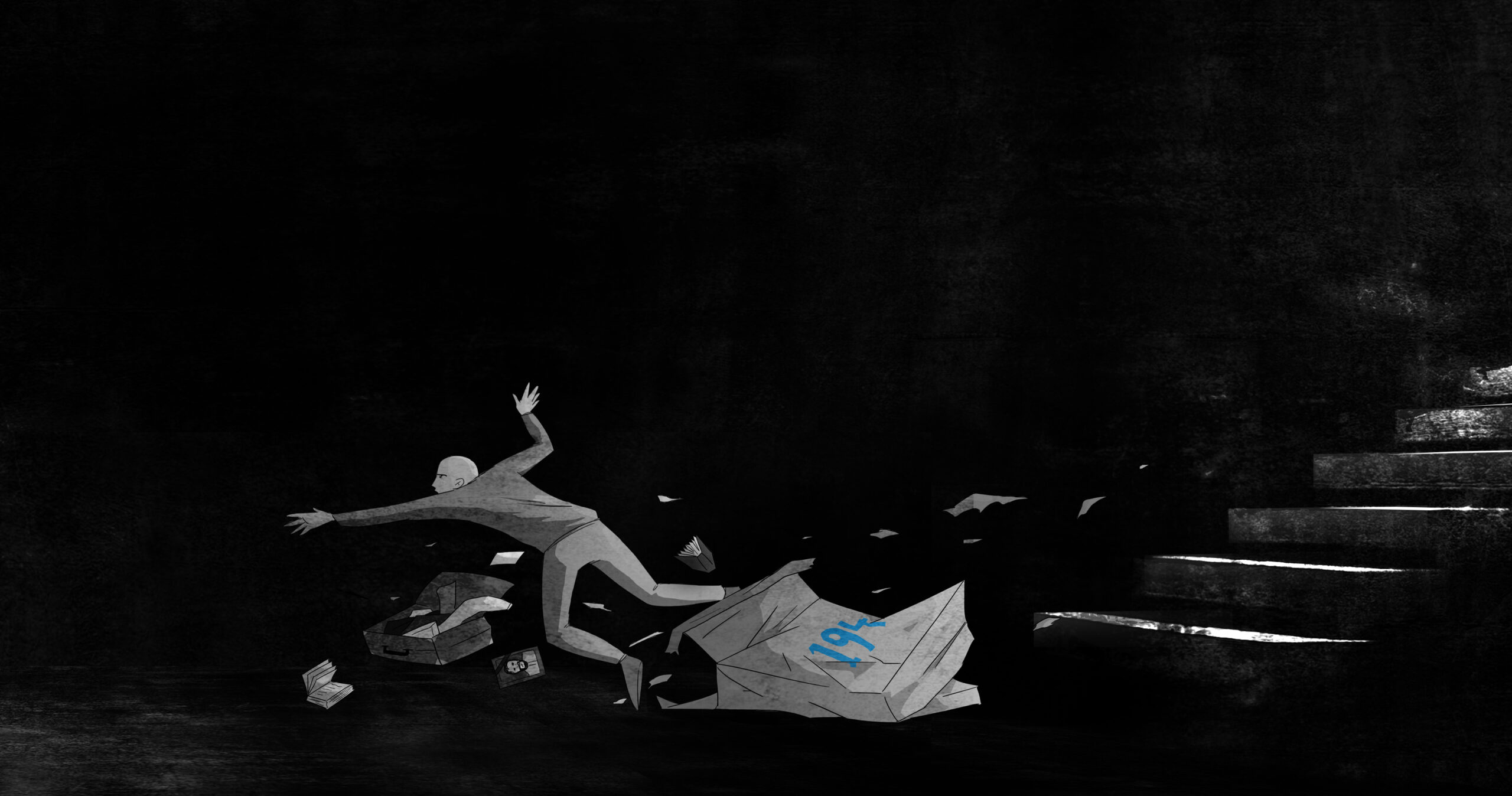
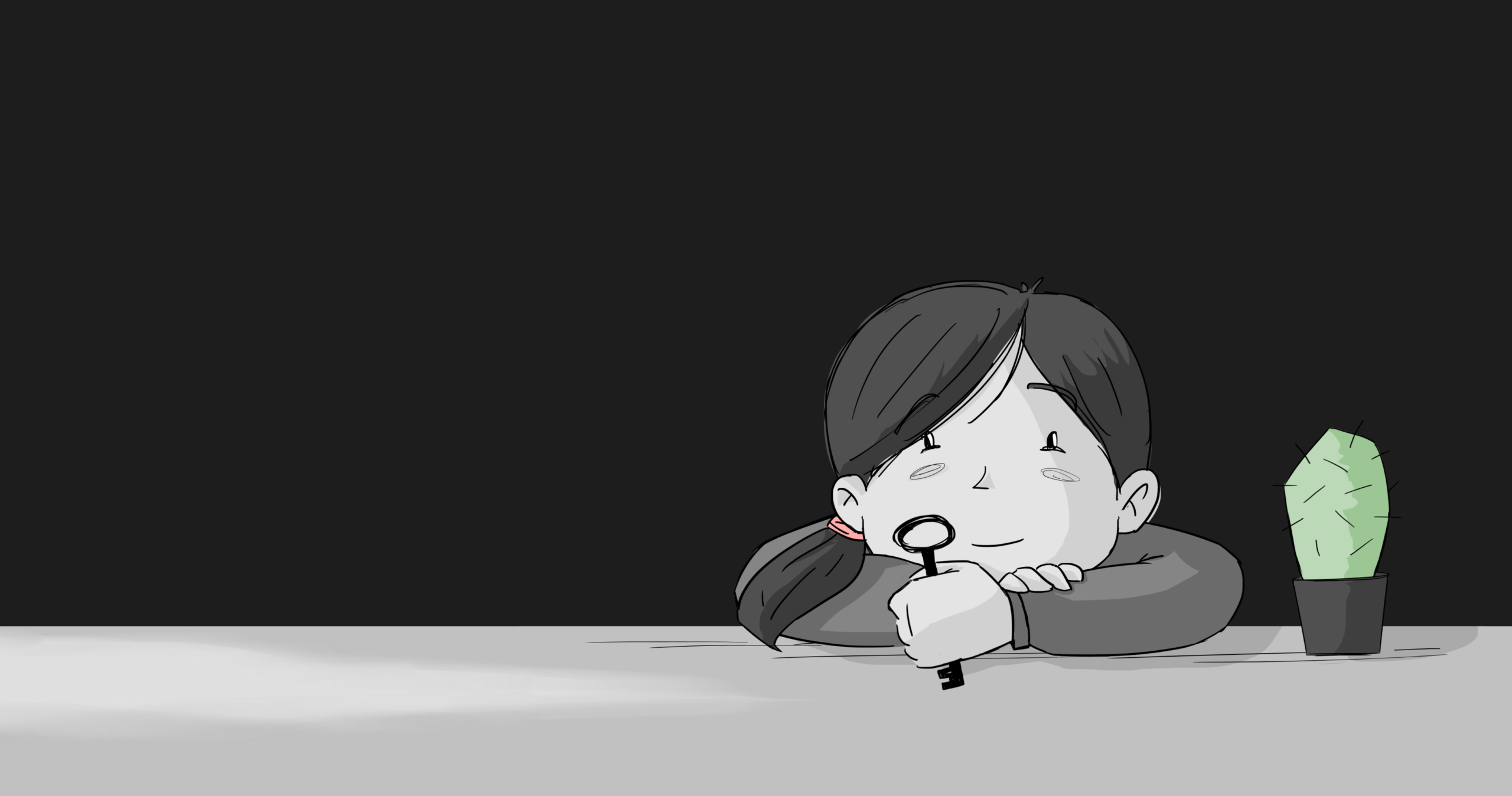
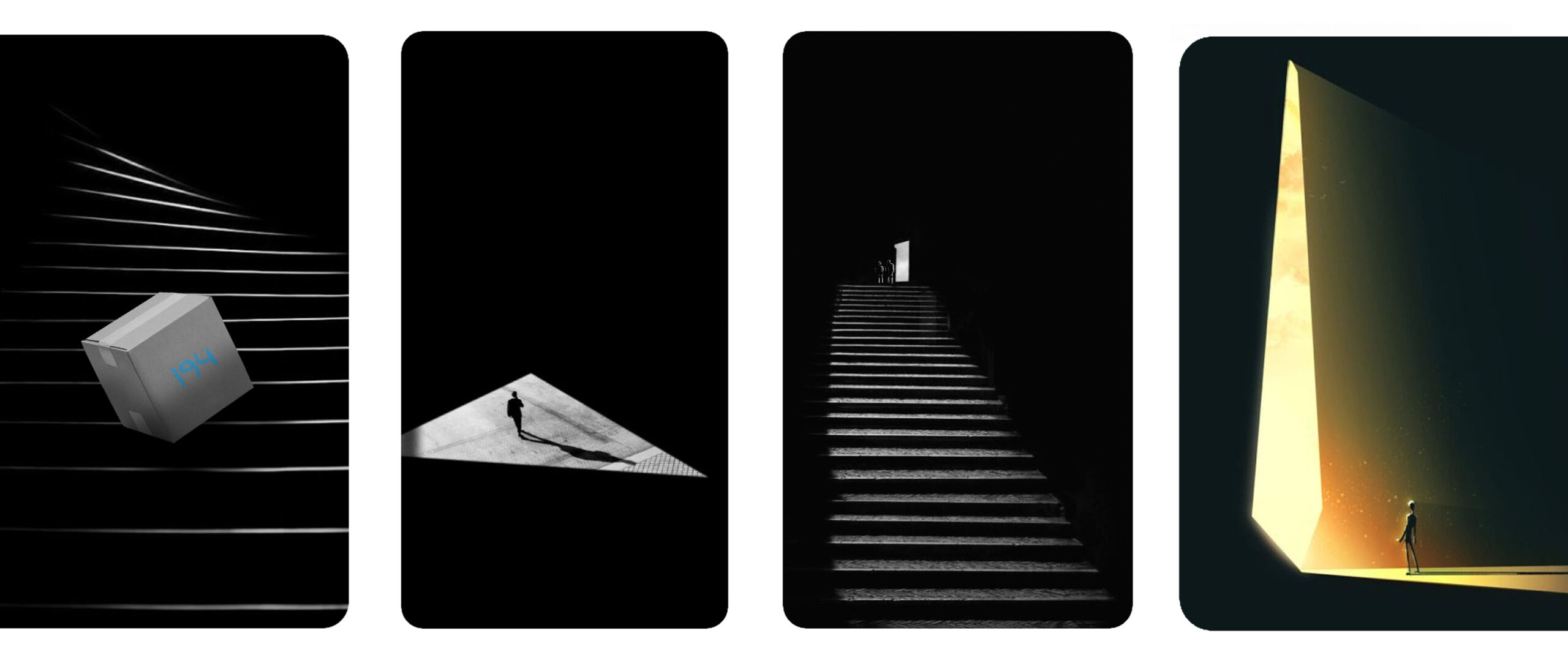
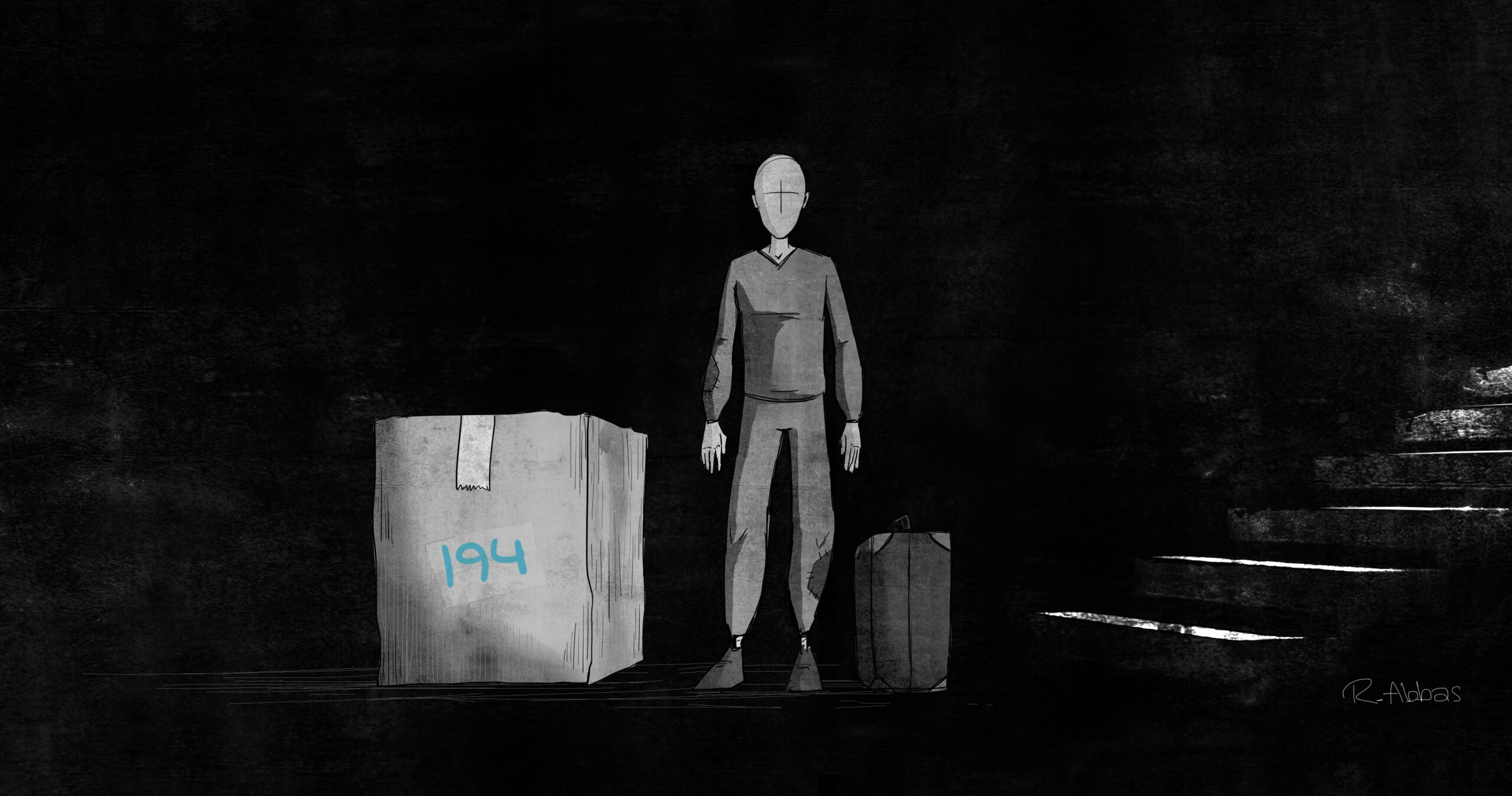
Inside a monochrome bureaucratic world, a sealed box marked “194” is pushed down an endless staircase before breaking open to reveal a young Palestinian refugee carrying the scattered fragments of a life shaped by displacement. As he searches through memories, objects, and traces of a homeland he never knew, a hidden key awakens a fragile vision of return, to be passed down from generation to generation.
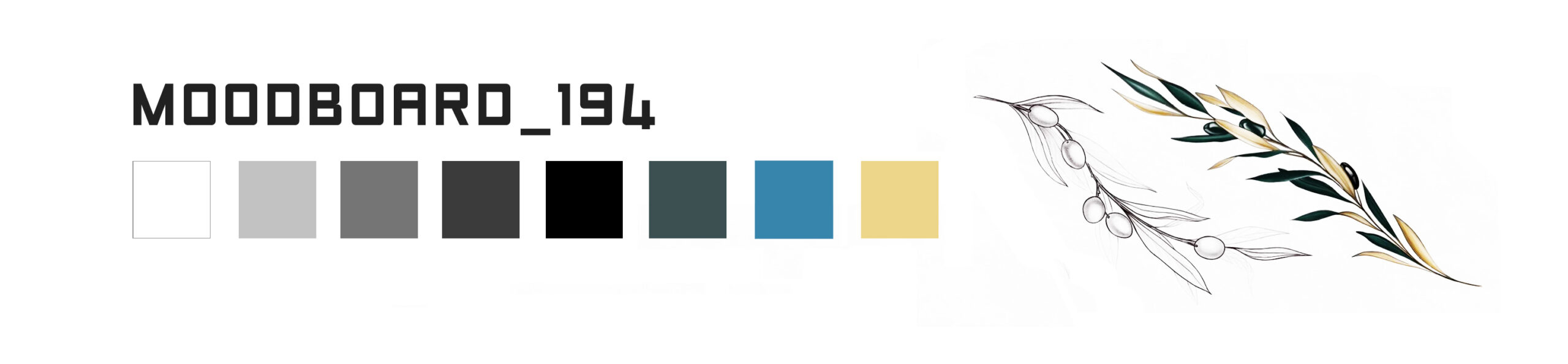
Blending stark black-and-white imagery with dreamlike color sequences, the film explores exile not as a historical event, but as a psychological condition passed across generations. Through silence and symbolic visual storytelling, “194” reflects on memory, identity, and the persistence of hope despite violence, borders, and erasure.
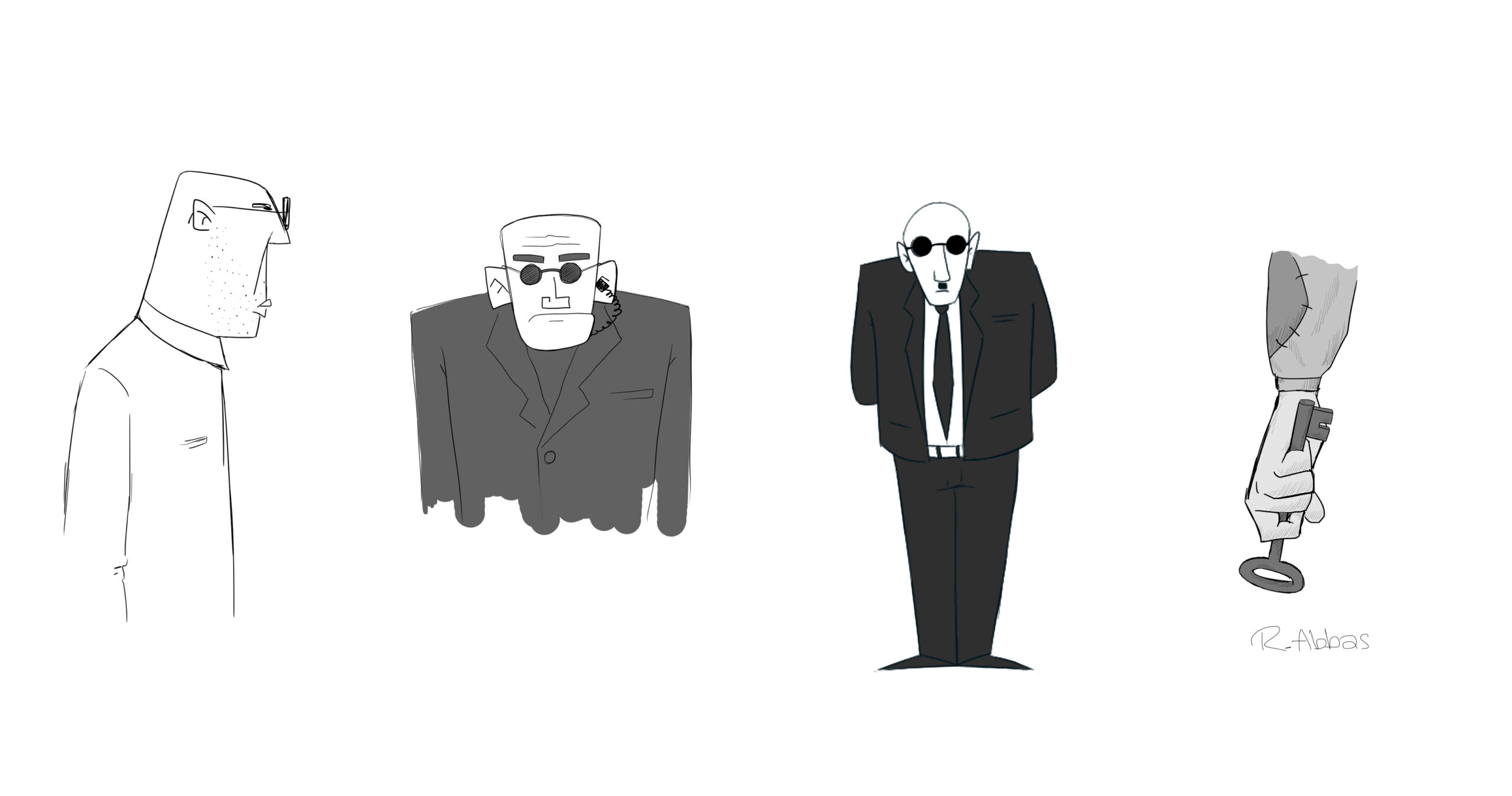
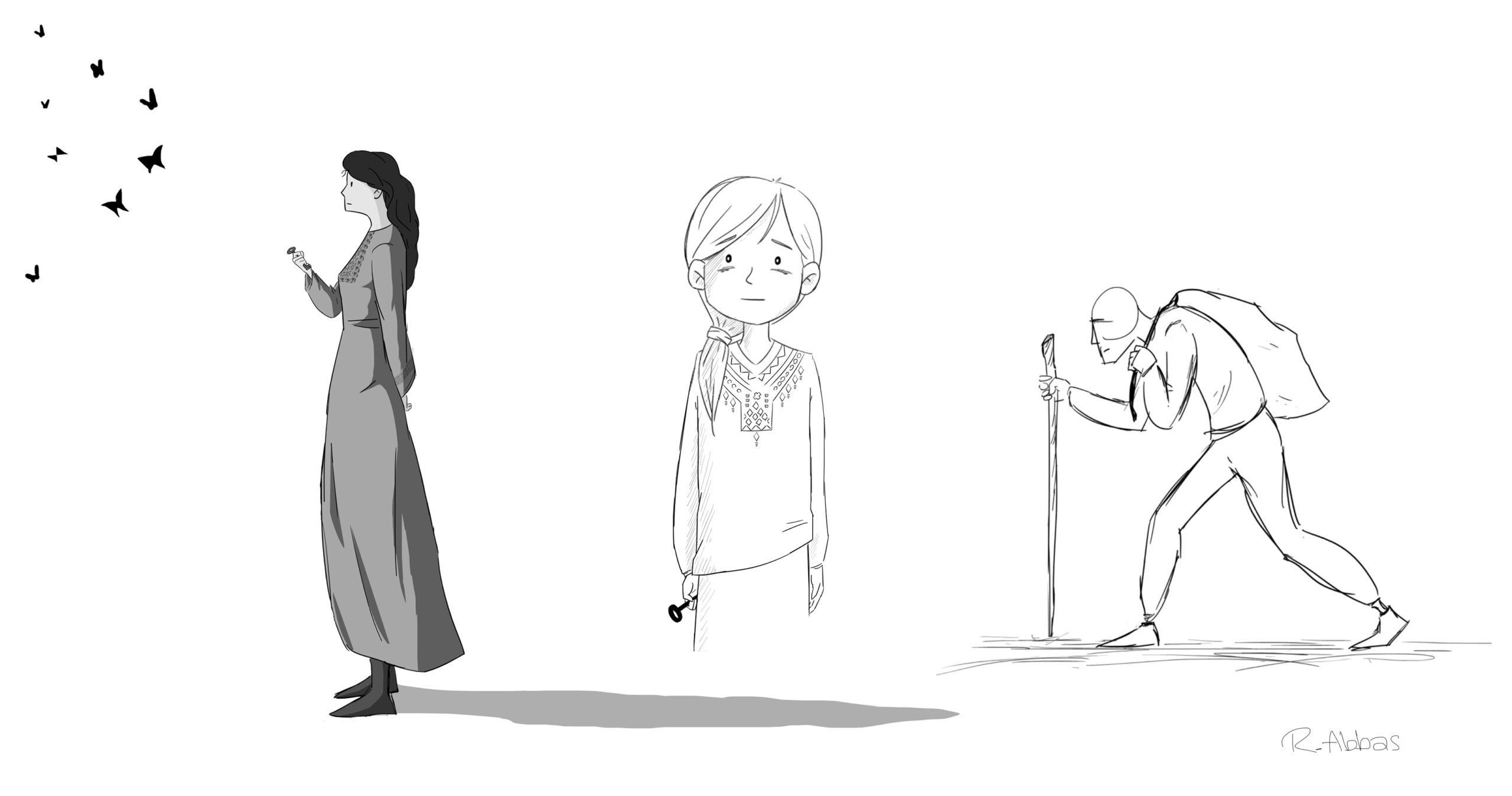
Character Design & Development
DIRECTOR’S STATEMENT
“194” is a short animated film with a deeply personal core, aiming to create an emotional experience that transcends autobiography and reaches into a shared human space.
I was born a Palestinian refugee outside of Palestine, carrying a memory I never lived, yet one that has profoundly shaped my awareness and identity. Through this film, I explore how an inherited, unexperienced memory can transform into a permanent inner reality.
Rather than presenting a direct political narrative, “194” approaches exile as an ongoing psychological condition, an invisible space that accompanies the individual and continuously reshapes their relationship to place and belonging. The film relies on visual language and silence as its primary tools, creating an open, contemplative space that allows for an emotional connection across cultures.
At its core, the film revolves around dreaming as an act of survival, not just any dream, but the dream of return. This dream is not presented as a conventional narrative goal, but as an inherited inner state that persists across distance and time, becoming an integral part of both individual and collective identity.
“194” is an attempt to transform memory into image, and image into a sensory experience، one that speaks to a global audience through universal themes of loss, belonging, and the enduring insistence on hope.